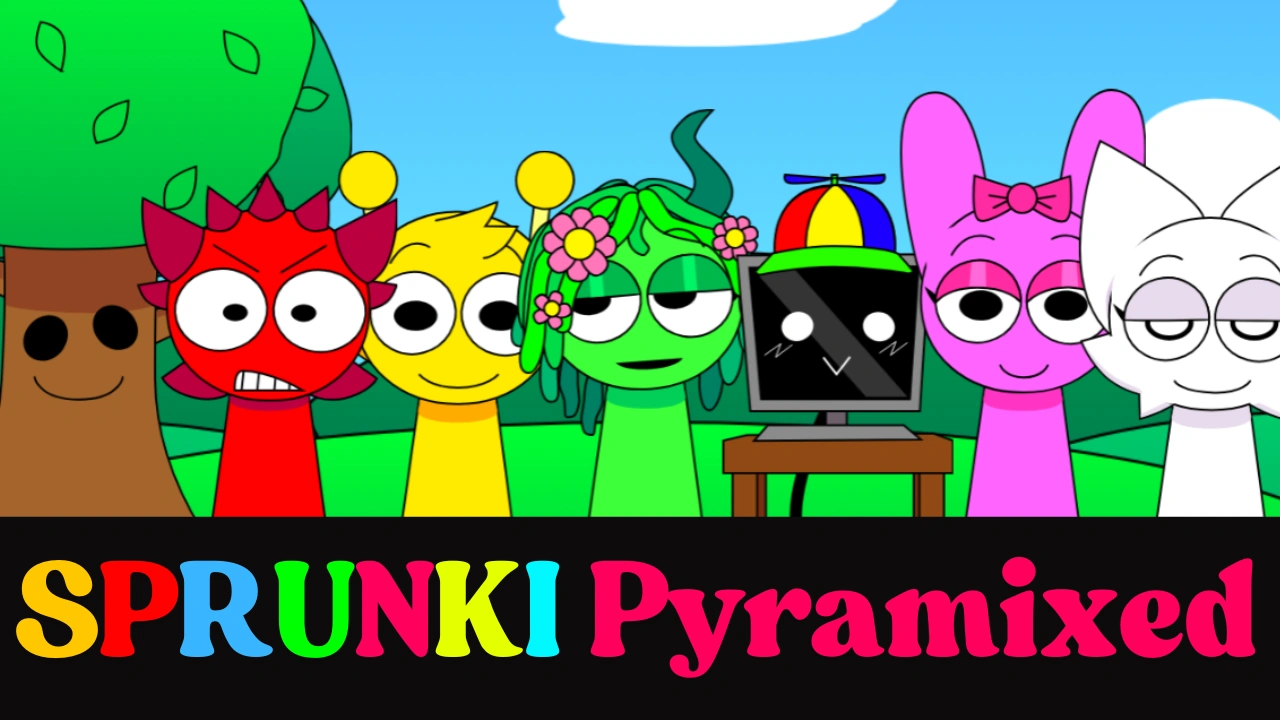
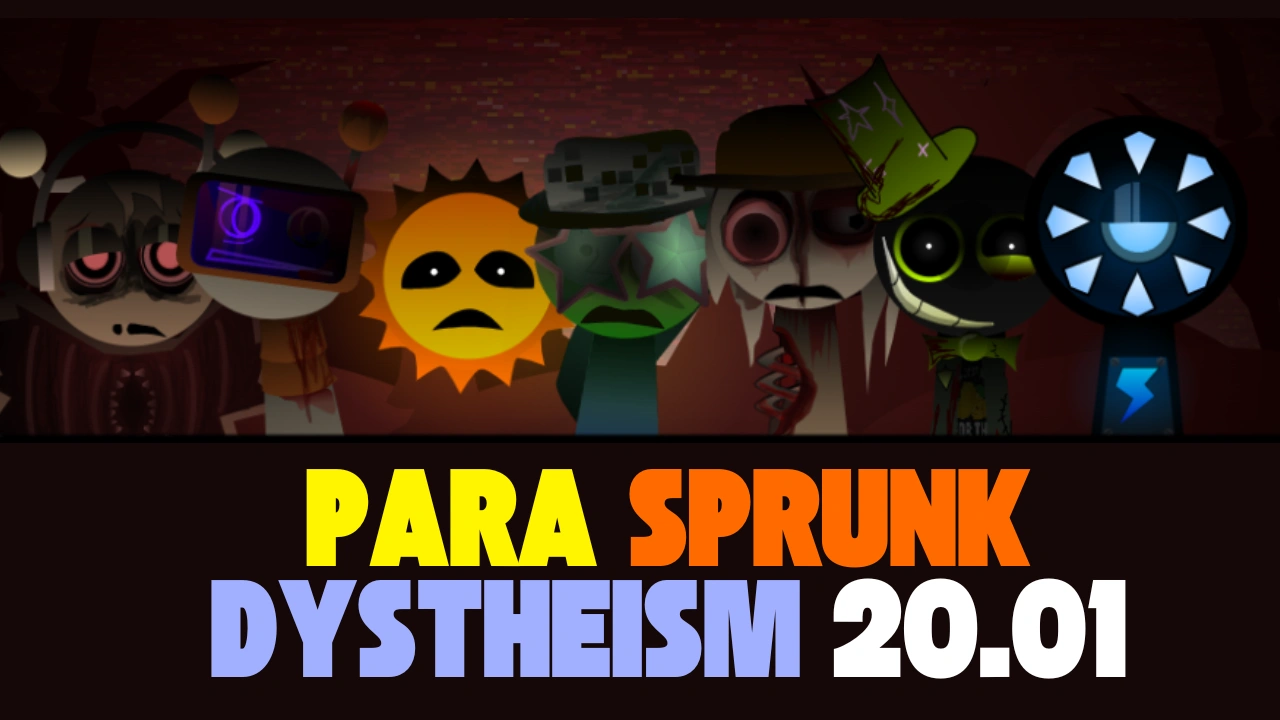
The Sprunki fan modding scene is one of the most creative, prolific, and emotionally intense communities to emerge from browser-based gaming. What started as a fan reimagining of Incredibox has exploded into an entire multiverse of interconnected sagas, alternate timelines, horror arcs, and character-driven lore so dense it rivals professional fiction. From apocalyptic survival horror to paranormal ghost orchestras, from role-swapping Shifted dimensions to psychologically distressing Treatment mods, the Sprunki fan universe is vast, vivid, and endlessly inventive.
This guide covers the most famous Sprunki fan mod series ever made — the Carnage Series, the Hypershifted Series, the Parasprunki Series, the Treatment Mods, the Shifted Series, the Anti-Shifted Series, and several more — breaking down their creators, consecutive mod entries, visual and audio identity, lore, character fates, and what makes each series uniquely essential to the community. Whether you are a casual browser or a deep-lore enthusiast, this is your definitive roadmap to the iconic Sprunki fan mod universes.
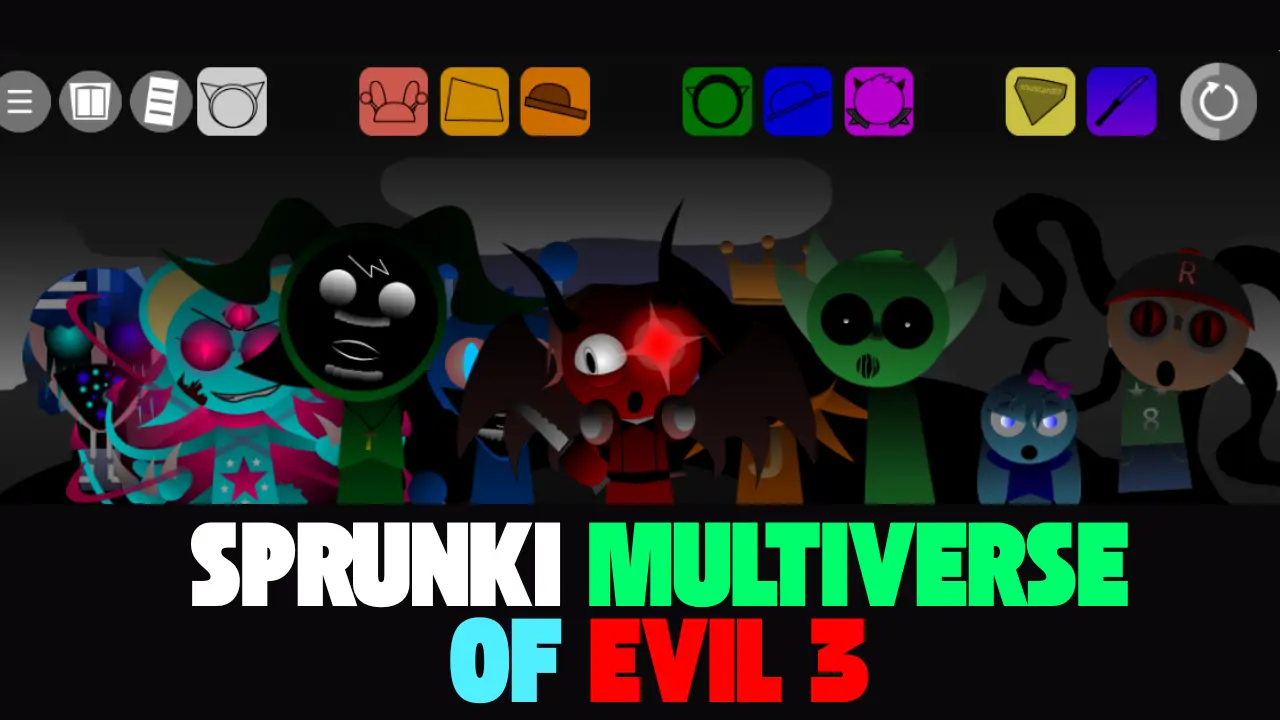
Major Sprunki Universe Highlights
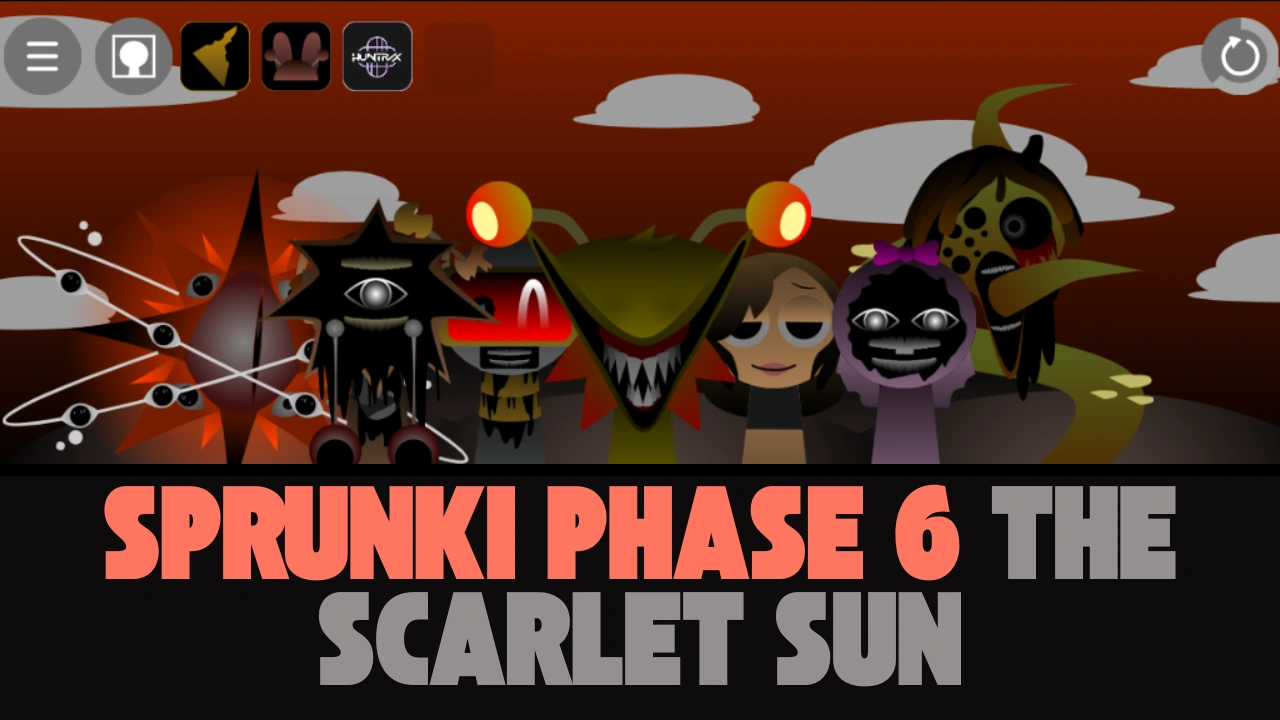 Carnage Saga
Post-apocalyptic horror, casualty lists, and FootLongNachos lore.
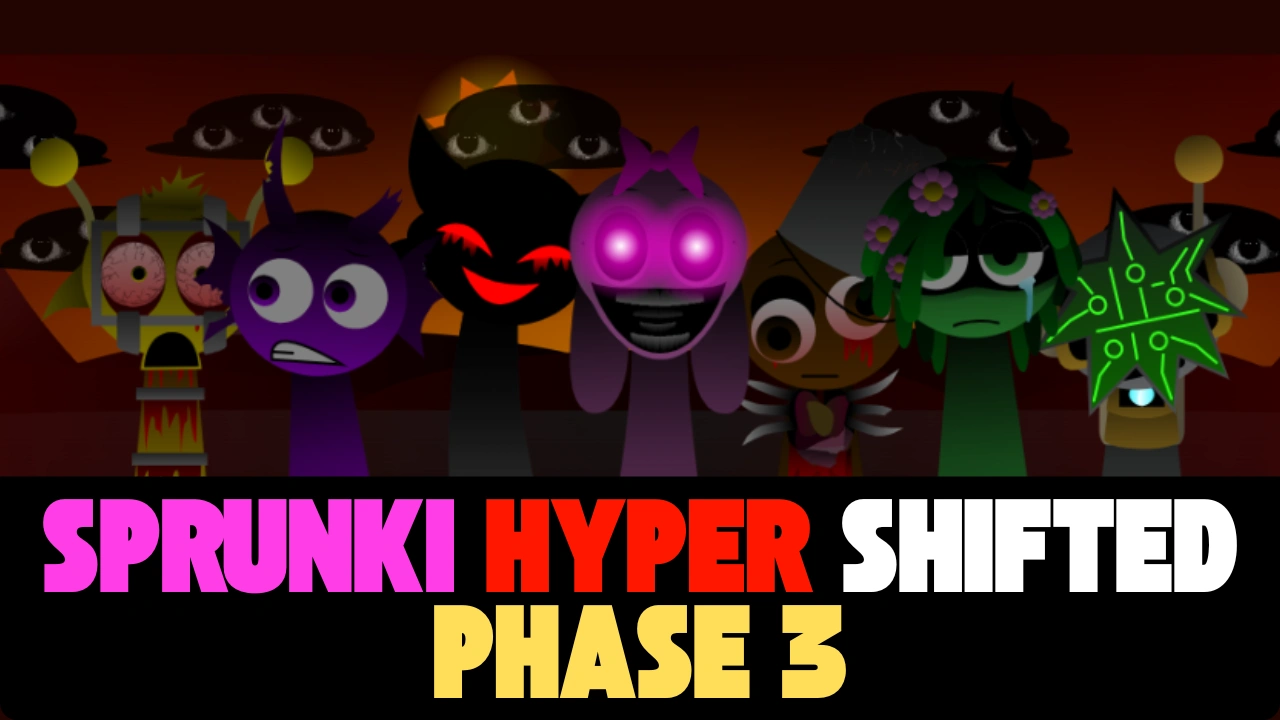 Hypershifted
Dimensional collapse, role displacement, and glitch-heavy sound design.
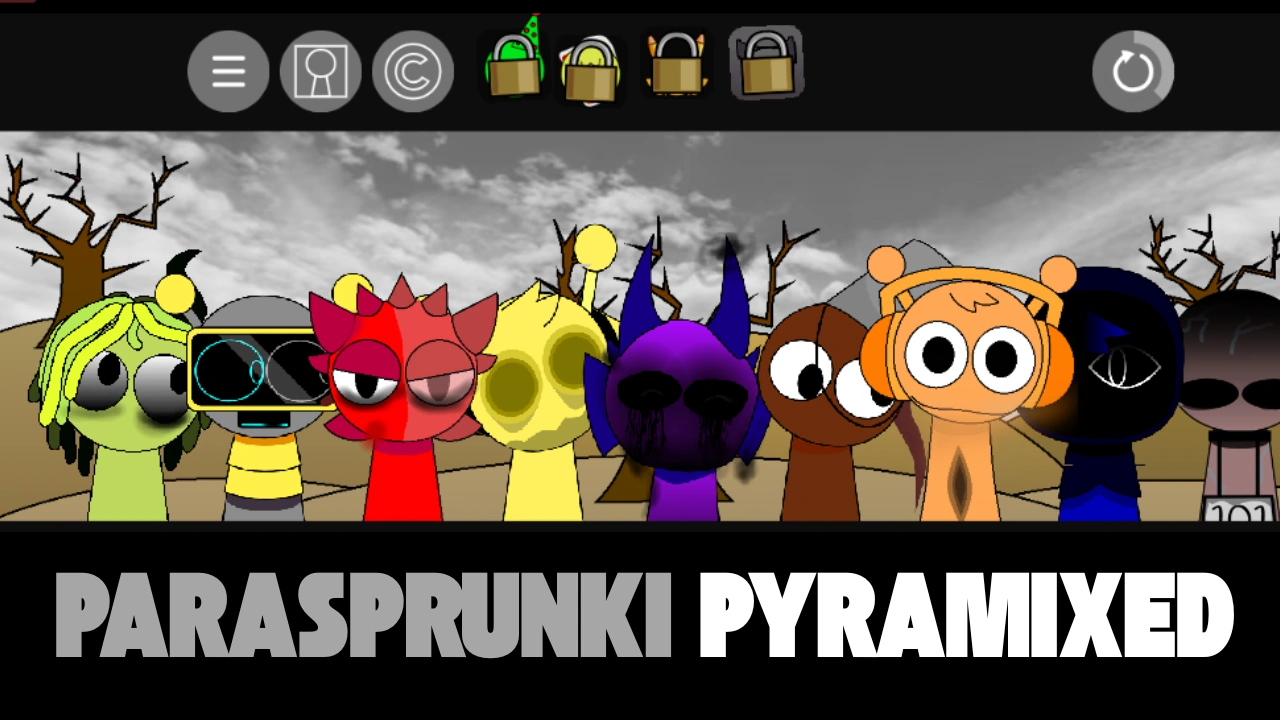 Parasprunki
Ghost worlds, parasitic resonance, and supernatural mod lore.
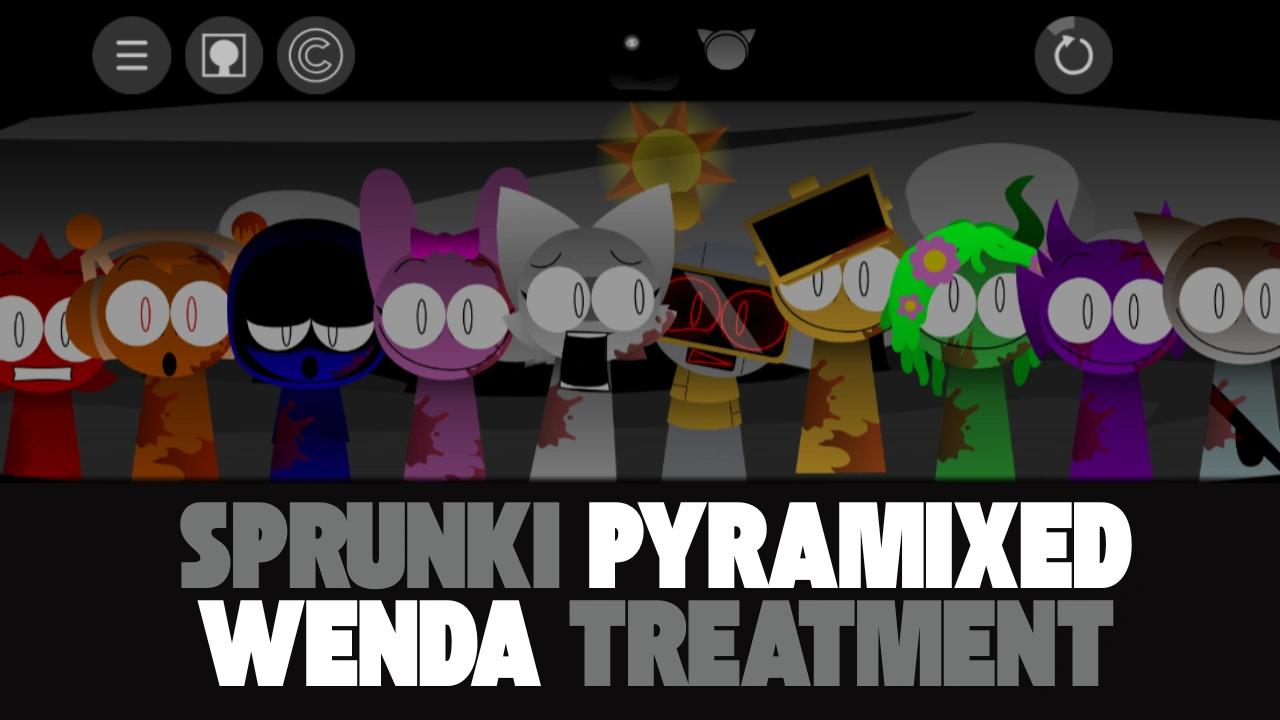 Treatment Mods
Character-specific horror fates applied across the whole roster.
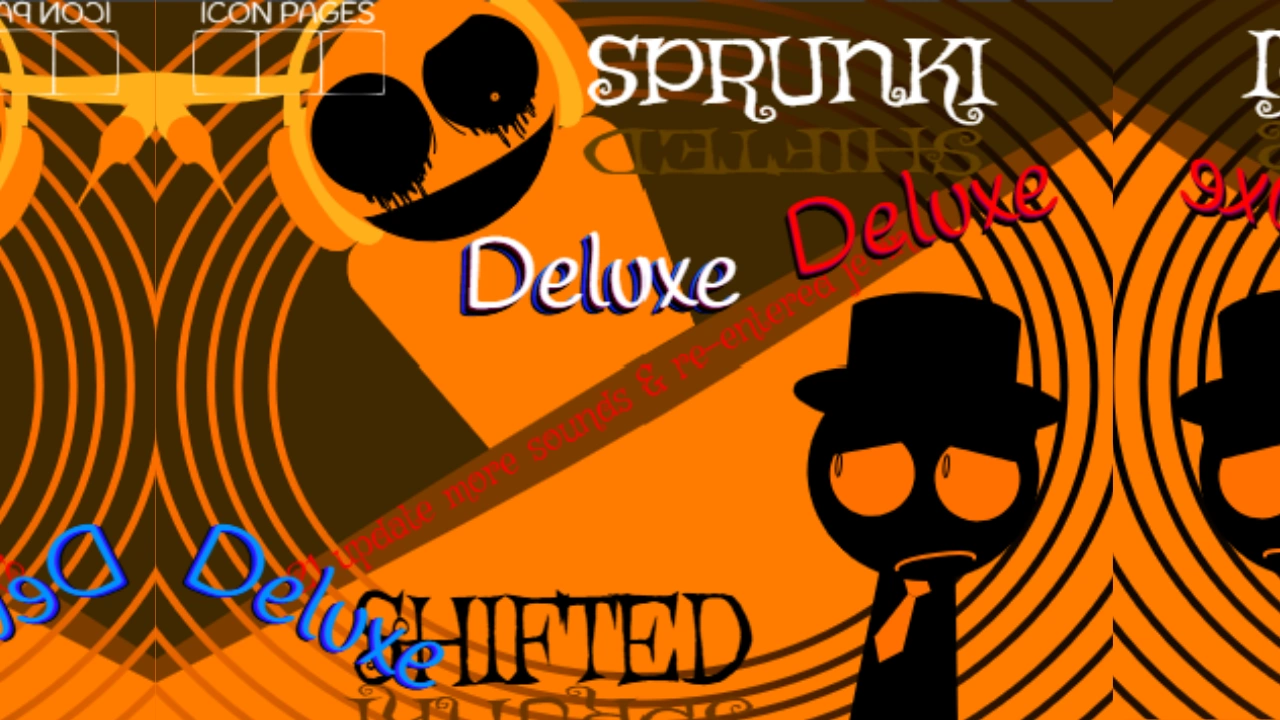 Shifted Series
Role reversals and sound-position swaps across alternate timelines.
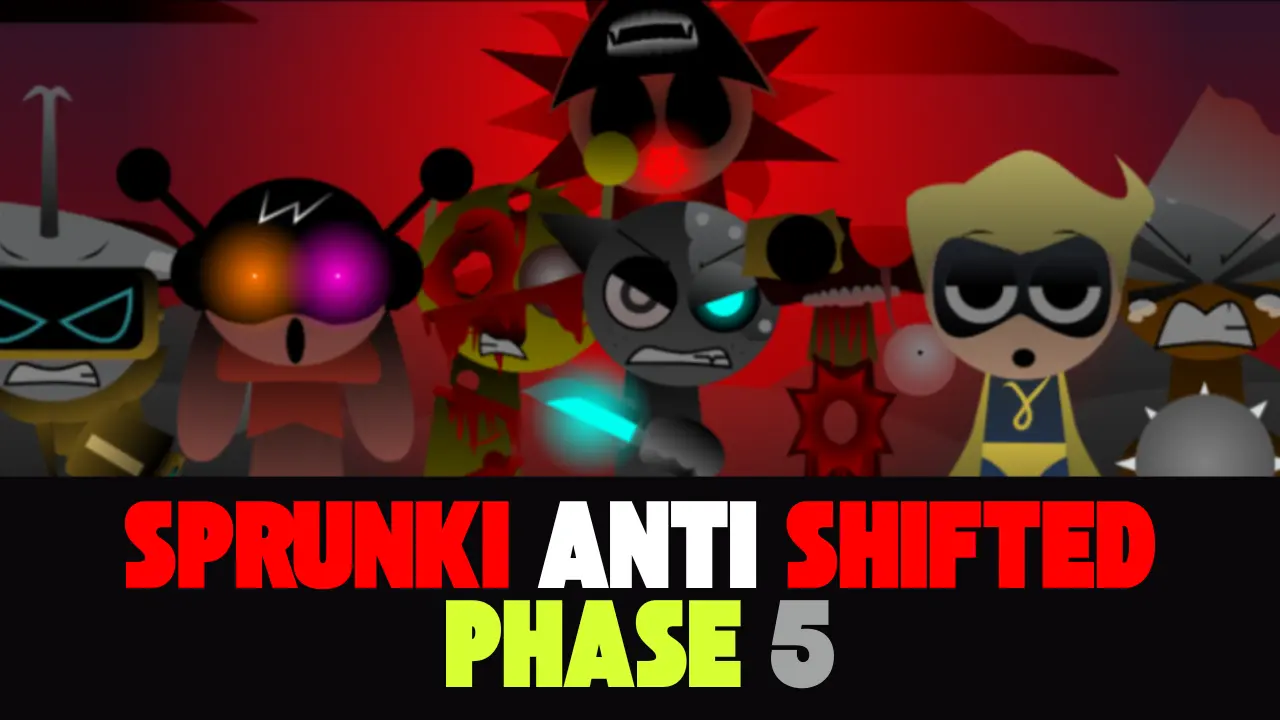 Anti-Shifted
Inverted timelines, body horror, and darker phase storytelling.
The Carnage Series — FootLongNachos' Post-Apocalyptic Horror Saga
The Carnage Series is arguably the most narratively ambitious and emotionally gutting saga in the entire Sprunki fan mod canon. Created by the prolific modder FootLongNachos — who built much of his identity around a nacho cat Sprunksona with bitten ears and a scarred eye — the series follows the beloved Sprunki cast through an escalating zombie-like apocalypse in which the world is overrun by mutant monsters and virtually no one survives unscathed. Each phase in the Carnage lineup doubles as a chapter in a tragedy, tracking characters from confusion and injury through despair and, ultimately, death.
The series officially kicks off with Phase 3: The Carnage Continues, which serves as a prequel to The Blackened Killer. FootLongNachos deliberately positioned it as a "dark origin story" — a look backward at how the glitch-core apocalypse began. All sounds in this entry were sampled or heavily inspired by Sprunki Phase 3, giving it a warped, familiar feel overlaid with heavy distortion and unexpected glitch effects. Characters appear in damaged states as the mutant threat first emerges, and the background environment begins to visually break apart. The mod introduced the series' signature visual language: gore-touched character designs, blood-stained sprites, and an ambient sense of dread that made the music feel like a soundtrack to an ongoing war.
Phase 4: Gore Galore escalates the carnage dramatically. The monsters are no longer just a background threat — they have overrun the world entirely. Character designs in this phase are markedly more brutal. Oren, the orange beat character and emotional anchor of much of Sprunki lore, is killed. His death sends ripple effects through the cast, and the music reflects the shift: percussion layers become heavier and more dissonant, melodies carry an air of funeral grief, and effects loop with a haunted quality. Gore Galore is the point in the series where FootLongNachos commits fully to not pulling punches.
Phase 5: The Blackened Killer is the phase that gave the entire saga its mythology. Set after the events of earlier entries, it introduces the origin of the Blackened Killer entity, a corruption force that transforms and consumes survivors. The visual palette darkens dramatically — backgrounds are flooded with deep blacks and arterial crimsons, and character sprites are redesigned with injuries and mutation markers that track their lore status. The soundscape reaches its peak emotional intensity: haunting, distorted vocals ride over industrial percussion, and hidden lore combinations trigger cutscene-style visual shifts that reveal character backstories.
Phase 6: The Scarlet Sun and Phase 7: Ongoing Onslaught push the series toward its final act. The Scarlet Sun introduces a mood-driven aesthetic built on reds and burning oranges, framing the world as literally on fire. The cast's statuses become increasingly grim — characters are noted in the gallery as Dead, Ghost, On the Verge of Death, or Burning. Ongoing Onslaught, true to its name, feels relentless, with a wall-of-sound musical approach that mirrors a cast fighting battles they can no longer win.
Phase 8: Battered and Bleak and Phase 9 Remastered serve as the penultimate chapters before the finale. By Phase 12 — the definitive last installment FootLongNachos made — the character status list reads like a casualty report: Oren is dead, Raddy is dead, Clukr is a ghost, Garnold is dead and rotting, OWAKCX is dead, Mr. Fun Computer is dead, Wenda is on the verge of death. The mod's music shifts from aggressive survival energy to something quieter and more mournful, as though the world itself is exhaling after a long fight it lost. The Carnage Saga, listed across multiple decimal phases like Phase 2.5 Definitive and Phase 3.5 Definitive, is a masterclass in using beat-layering music as an emotional storytelling medium. It set the template for lore-heavy horror modding that dozens of creators would follow.
The Hypershifted Series — RedLαzer2048's Dimensional Horror Cascade
If the Carnage Series is a survival horror story, the Hypershifted Series is a sci-fi horror multiverse collapse. The brainchild of creator RedLαzer2048, the Hypershifted concept was born from the idea of taking the existing "Shifted" mechanic — where characters are displaced by a certain number of roster positions — and pushing it fourteen places to the left, a displacement so extreme it fundamentally destabilizes the entire Sprunki reality. In the lore, this displacement is called the Hyper Shift, and its consequences are catastrophic: characters who were once in stable, defined roles have had their identities, roles, and even physical forms violently restructured.
The original Sprunki HyperShifted mod launched the series as a remake of the "-14 Shifted" concept. Characters appear in warped, distorted versions of their usual designs, their sound roles completely inverted or scrambled. The visual style is defined by glitch art sensibility — chromatic aberration effects on sprites, jagged animation cuts, and backgrounds that feel digitally unstable, like a screen about to crash. The music in the original HyperShifted is its most defining feature: pitches are warped, rhythms feel slightly off-center, and layering sounds produces unexpected and chaotic combinations that keep players perpetually surprised. The sonic identity is one part hyperpop distortion, one part industrial decay.
Hypershifted Phase 3 (released January 1, 2026) elevated the series dramatically. Created by RedLazer2048 in collaboration with Basher, FootLongNachos, and Mister A, this entry introduced the Twin Suns motif — two colliding suns in the sky representing two realities crashing into each other — and the Monochrome Crew, a horror-mode state in which all character color is drained away, leaving behind high-contrast black-and-white monster sprites implying that the characters have lost their core essence and become nothing but corrupted data. The Phase 3 infection, in the Hypershifted universe, is framed as a complete breakdown of reality rather than a biological threat, giving it a more abstract and existentially terrifying quality than the Carnage Series' physical gore.
Hypershifted Phase 4 — released in early 2026 and described by fans as the "Event Horizon" of the series — became the most celebrated entry. Its creation was a full team effort: RedLαzer2048 handled the original Hypershifted concept, FootLongNachos contributed as a major composer and creative force, Garnic handled elements of design and audio layering, and uc cat (known across multiple other horror mods) added significant creative weight. Even a community contributor credited as "I love chicken nuggets" joined the team, embodying the grassroots, pseudonym-heavy spirit of the Sprunki modding world.
The lore of Phase 4 is remarkably detailed for a browser music game. The in-game Gallery provides a full status report: Oren is Dead, Raddy is Extreme-Infected, Clukr is Alive, Vineria is Injured, Garnold is Dead, Sky is Injured, Mr. Sun is Infected, Simon has been Revived — each status adding emotional weight to the music you build. The "Shift" is framed as a series of failed reality jumps: characters tried to escape earlier phases' horrors by leaping between timelines, but each hop created fractures, and Phase 4 is where those fractures collapse entirely. The tipping point between despair and redemption gives Phase 4 a unique emotional texture — Wenda turns angelic rather than monstrous, Pinki's love for Oren takes on a tragic, desperate dimension as she holds his dead body vowing to revive him in the next phase, and Mr. Fun Computer delivers a battle cry — "Get ready for war, prepare yourself! This hellhole can still be salvaged. Don't give up now. RISE UP! RISE UP! RISE!" — that became one of the most quoted lines in the entire Sprunki fandom.
Hypershifted Phase 5: Definitive continued the saga further, cementing the series as one of the most musically ambitious and lore-rich in the entire scene. The Hypershifted universe also spawned numerous offshoots and spin-inspired mods — Tri-Shifted, Bi-Shifted, Tetra Shifted — all borrowing its core dimensional displacement framework and running with it in different directions.
The Parasprunki Series — The Parasitic Ghost World
The Parasprunki Series occupies its own unique corner of the Sprunki universe, distinct from both the Carnage saga's physical horror and the Shifted series' dimensional chaos. Where those series deal with infections, mutants, and reality fractures, Parasprunki is built on a different kind of dread: the supernatural, the ghostly, and the parasitic. The series frames its horror through the lens of spiritual contamination — a world where resonance itself has shattered, where echoes of lost music haunt the landscape as spectral beings, and where every sound loop players create is simultaneously an act of musical composition and a séance.
The early Parasprunki phases establish the core aesthetic. Characters appear as paranormal entities — ghostly figures with glowing eyes and flickering animations that suggest they exist somewhere between the living and the dead. The visual design is defined by deep purples, murky greens, and shadowy backgrounds that shift dynamically in response to the music being played. Fast beats cause shadows to dance wildly; slow melodies bring an unsettling, suffocating stillness. The backgrounds are not decorative — they are reactive, giving the series a uniquely immersive quality that feels genuinely interactive rather than static.
Parasprunki Phase 3 introduced the Ghost Whispers system, where spectral characters visibly interact with each other, displaying unique reactions to different musical combinations. The developers reportedly recorded authentic ambient audio from real-world locations for some of the atmospheric track layers — creaking floorboards, distant whispers — giving the mod an analog horror quality rarely found in browser games. The cast includes named spectral archetypes like the Weeping Widow (who contributes deep bass through her weeping sounds) and the Banshee (whose pairing with the Music Box Ghost produces particularly powerful combinations), each with individual backstories that add depth to the ghost-driven lore.
Parasprunki Phase 3.7 leaned further into the parasitic dimension of the series' identity. Here, characters are not just ghosts — they are glitched and digitally infected, their designs twisted by parasites that feed on sound itself. The visual style shifts from pure supernatural horror to a hybrid of glitch art and biological body horror: chromatic corruption bleeds through character sprites, animation frames stutter and skip, and the interface itself appears to be decaying in real time. The soundscape of 3.7 pulsates with distorted frequencies and corrupted beats that feel like transmissions from a malfunctioning digital dimension. Parasite-infected characters interact to create unexpected harmonies that couldn't exist in a conventional music creator, rewarding experimentation with genuinely surprising sonic results.
Parasprunki Phase 4 extends the transformation arc: characters become more overtly corrupted, their designs featuring glowing corrupted eyes and split-reality visual glitches, while the interface darkens and warps as the player builds their mix. The sound design in Phase 4 leans into dark synths, reversed vocals, deep echoes, and whispered elements — a palette that makes the mod feel less like a music game and more like channeling something ancient and broken. The lore frames Phase 4 as the gateway to deeper horror — the first major transformation phase where the characters' true parasitic nature becomes undeniable.
Parasprunki Definitive Phase 3, subtitled The Aftermath, represents the most ambitious entry in the series. It frames the Parasprunki lore in explicitly cosmic terms: resonance itself fractured, leaving behind echoes of past symphonies that manifest as spectral musicians tied to forgotten chapters of the Parasprunki mythos. By conducting them, players are not merely making music — they are piecing together fragments of a broken universe. The mod includes hidden lore fragments, unlockable content, and a ghost-driven sound design in which every beat, effect, and vocal carries supernatural energy. Community discussions regard it as the definitive evolution of Parasprunki precisely because it transforms music creation into an act of interactive mythology.
The Treatment Mods — A Genre Unto Themselves
The Treatment Mods are not a single series made by one creator — they are an entire genre of Sprunki fan modding, one of the most popular and prolifically produced categories in the community. The concept is elegantly simple: take the horror mode of Sprunki, and apply the visual fate, aesthetic, and body horror of one specific character to every other character in the roster. The result is a mod where the entire cast shares the same twisted form, the same mangled aesthetic, the same sonic distortion — named after whichever character's "treatment" is being applied.
The Wenda Treatment mod by SammyTheOrangeGuy196 is by far the most celebrated and influential treatment mod ever made, and the one that essentially defined the genre's identity. Created because SammyTheOrangeGuy loved Wenda's "sigma smile" — her iconic facial expression in horror mode — the mod applies Wenda's distorted, glitch-infected aesthetic to all other characters. The lore framing is minimal but evocative: Black's experiment on Wenda went horribly wrong, and the treatment spread. Every character in the mod carries Wenda's expression, her warped vocal qualities, and her unsettling visual identity. The sound design is eerie and reverberation-heavy — beats stutter and echo, vocals carry that same faraway, glitched quality that makes Wenda's horror design so memorable. The mod received multiple versions (3.0, 4.0, and later a Phase 9 Definitive Demolition variant), each adding new characters, hidden codes, and unlockable animations. Codes like "gleeble," "Mard," "Val," "Bigwenda," and "Ship them" unlock bonus frames and interactions, rewarding dedicated players.
The Oren Treatment, made by the creator Americium, takes a far more brutal approach. In Sprunki lore, Black performing the "blood eagle" torture method on Oren is one of the most disturbing events in the universe, and the Oren Treatment applies this fate — having one's ribs removed and spread like wings — to every character in the roster. The mod is graphic by design, with each character displaying the aftermath of this treatment in their sprite, and the lore text notes that Black, "still not satisfied," went on to apply the same treatment to the rest of the Sprunki cast. While not as celebrated as the Wenda Treatment, it occupies a specific niche for players drawn to the most extreme end of the horror spectrum.
Beyond these landmark entries, the Treatment genre expanded into dozens of variations: BGO Treatment, Aldrin Treatment, 67 Treatment, Jevin Treatment, Raddy Treatment, Pinki Treatment, Brud Treatment, Clukr Treatment, Sky Treatment, Simon Treatment, Tunner Treatment, Vineria Treatment, and dozens more. Each one takes a single character's horror fate and universalizes it, creating a unique visual coherence — and often a unique sonic identity — that makes each treatment mod feel like a self-contained alternate universe rather than a simple reskin. The genre also produced meta-variants: Wenda Treatment but Pyramixed, Clukr Treatment Phase 4 (Mint's Take), Sprunki Wenda Treatment Phase 4 (David's Version) — spin-off takes by different creators riffing on the same concept with different visual interpretations.
What makes Treatment mods culturally significant is that they democratized Sprunki horror modding. Where creating a full original phase requires extensive sound design, character modeling, and lore construction, a Treatment mod can be produced with a more contained scope — one strong visual concept applied consistently — while still delivering a genuinely impactful experience. They produced some of the most iconic character imagery in the whole fandom.
The Shifted Series — Role Reversals and Dimensional Displacement
The Shifted Series is the conceptual backbone of an enormous branch of the Sprunki fan modding ecosystem. The core mechanic is deceptively simple: shift the characters' roster positions by a specific number of places, so that each character now occupies a different role and produces a different category of sound from what players expect. Oren, normally a beat character, might now produce a haunting vocal. Wenda's melody might be replaced by a heavy industrial percussion loop. The disorientation is the point — and it creates a music-mixing experience that is simultaneously familiar and deeply wrong.
The original Sprunki Shifted mod established this framework and quickly became one of the most-played non-phase mods in the community. Featuring 27 characters — all 20 original Sprunki cast members plus 7 additional Incredibox performers — it allowed for a breadth of combination possibilities wider than almost any other mod. New characters like Acid, Tox, Cube Guy, and Rebel added fresh textures that expanded the sonic palette significantly. The visual gallery in Shifted reacts to the mix's emotional tone, providing a passive lore experience that tells a story through character expressions and background changes rather than explicit text.
Partners in Carnage — a collaboration between FootLongNachos and originally Antuneter, later reworked by FootLongNachos into an Overhaul Edition — applied the Shifted concept to a specific narrative crossover, blending the carnage aesthetic with the Shifted role-swap mechanic. The Overhaul Edition included new sounds, new animations, and new character designs, and notably removed almost all references to the original co-creator following community drama.
Tri-Shifted took the single-shift concept and introduced a three-phase progression system, making it one of the most narratively complex Shifted mods. The story centers on "The Disaster" — a catastrophic event tied to the entity Mr. Black, who releases a wave of dark energy that systematically dismantles reality across three stages. Shift One (The Fading Light) opens with the world still recognizable but increasingly tense, its music calm yet uneasy, colors beginning to fade. Shift Two (The Disturbed Night) deepens the collapse — characters are injured or infected, the soundtrack shifts toward darker industrial sounds, and the environment fills with shadows. Shift Three (The Corrupted Void) represents total collapse: the world is unrecognizable, the music borders on pure noise, and characters exist in their most broken states. Oren is Eliminated. Wenda is Infected, hiding among survivors and waiting to strike. Gray is reduced to a silhouette with glowing eyes producing low-frequency drones. Pinki's fate carries the most emotional weight — her lore entry is among the most devastating in the series. Specific character combinations trigger Fun Bot's Emergency Alert System, adding a layer of digital panic to compositions.
Tetra Shifted and Bi-Shifted continued expanding the roster of shift permutations. Bi-Shifted introduced double distortion — characters warped once by infection, then again by a botched cure attempt — producing hybrid designs and layered lore. Bi-Shifted But Swapped added a further layer by pulling from the existing Sprunki multiverse to swap character identities across timelines: Tunner's body might carry Pinki's color palette, Wenda's voice might layer with Gray's mechanical tones. Each character in the swap carries a detailed description explaining why the swap occurred and how their double shift manifests. The Logical Shifted entry added a lore update that rationalized the entire shifting mechanic within the universe's internal rules, satisfying the community's hunger for narrative coherence.
The Anti-Shifted Series — FootLongNachos' Inverted Timeline
While the Shifted Series displaces characters to the right across the roster, the Anti-Shifted Series — created by FootLongNachos — displaces them to the left, producing what the creator describes as an "inverted" timeline where every character's fate has been pushed in the opposite direction. The result is not merely a mirror image of Shifted but an entirely distinct aesthetic and narrative identity. Anti-Shifted characters appear mangled, corrupted, or fundamentally "wrong" in ways that mirror a timeline where their destinies went off-course, with blood, wounds, and body horror used as core design motifs rather than accessories.
The Anti-Shifted series is defined by its visual commitment to a specific kind of horror: not the surreal displacement of HyperShifted or the spectral rot of Parasprunki, but something more visceral and grounded — characters whose fates went wrong at a specific moment and whose bodies now bear the permanent marks of those wrong turns. The background and atmosphere lean into this shifted reality, often feeling like a warped mirror of standard Sprunki worlds pushed into darker, more oppressive territory. Where the main Shifted series produces disorientation and curiosity, Anti-Shifted produces dread and grief.
The original Anti-Shifted established the series' visual DNA and narrative framing. Anti-Shifted Phase 3 escalated the body horror significantly. Anti-Shifted: Phase 5, the most celebrated entry in the series, opens with a cinematic betrayal: Oscar, once a friend to the survivors, has succumbed to darkness and transformed into a demonic overlord who steals Black's soul and power to fuel his quest for a "perfect" world. The Red character — a corrupted, multi-eyed entity — represents the malevolent force driving the timeline's collapse. The story is one of total societal breakdown: a cast of survivors navigating a world that has already ended, their fates chronicled through character status screens and hidden cutscene combinations. The nine bonus OCs in Phase 5 are deliberately kept visually clean — cool, non-gory designs that stand out starkly against the main cast's carnage, functioning as stylish anchors in an otherwise extreme lineup.
The music in Anti-Shifted: Phase 5 is described by players as cinematic and industrial — heavy bass, shaky visuals, distorted vocal tracks that evoke total despair. Lore hunters dissect the dialogue between Oscar and the survivors for clues about Mr. Fun Computer's true role and the origin of the shift virus. The mod exploded on YouTube and TikTok, with reaction videos, lore showcase channels, and community debate driving its visibility far beyond the Sprunki niche.
The Sprunki Definitive Phases — The Collaborative Lore Canon
The Definitive Phases represent the closest thing the Sprunki fan universe has to a shared canonical continuity — a series of phases, primarily spearheaded by FootLongNachos but also involving creators like crazyiwascrazyonce, Moreless, and Skiyak, that attempt to construct a unified, internally consistent lore arc running from the earliest days of the Sprunki world through its darkest chapters. While individual mods in the community operate as self-contained alternate universes, the Definitive Phases function as chapters in a single ongoing story.
Phase 5 Definitive: The Truth, also known as Phase 5 Definitive Re-Animated, is one of the most lore-dense entries in the entire series. Its backstory is extraordinary in ambition: in Thailand, a facility owned by a corporation called Brainrot Inc. employs an intern named Nyanko, who creates a computer matrix prototype called Sprunki. The company takes over the project and lies to the world, claiming Sprunki is simply a video game. A frustrated Nyanko embeds a small code that selects a random citizen of the simulation to have the ability to bend the code and escape — and that person is Mr. Black. The revelation that Sprunki itself is a simulation, and that the characters are trapped digital beings struggling for freedom, recontextualizes the entire horror saga as something closer to an existential thriller than a simple monster story. Phase 5 Definitive was directed and designed by crazyiwascrazyonce, with Moreless handling cutscenes and animations and Skiyak contributing character designs.
The Definitive Phase 12, FootLongNachos' final entry in the series, functions as the ultimate casualty report for the entire Sprunki universe. Its character status list — Oren: Dead, Raddy: Dead, Clukr: Ghost, KillBot: Injured, Vineria: On the Verge of Death and Burning on Fire, Gray: Injured, brud: Ghost, Garnold: Dead and Rotting, OWAKCX: Dead, Sky: Ghost, Mr. Sun: Infected, Durple: On the Verge of Death, Mr. Tree: Dead but Healing, Simon: Dead, Tunner: Dead and Rotting, Mr. Fun Computer: Dead, Wenda: On the Verge of Death — reads as a testament to everything the fandom has been through. The music of Phase 12 is quieter and more elegiac than any previous entry, the production acknowledging that the war is effectively over, and that the survivors are not survivors so much as the last witnesses to a world that no longer exists.
Surviving Trio and Surviving Squad Series — Intimate Survival Stories
While the major series tend to operate at apocalyptic scale, the Surviving Trio and Surviving Squad series represent a more intimate corner of Sprunki horror modding — focusing not on the entire cast's catastrophic fate but on a small group of characters who, against all odds, are still alive. These mods typically feature Gray, brud, and a third character (varying by version and creator) as the primary surviving cast, stripped of almost all their peers and navigating a world that has completely collapsed around them.
The visual and sonic identity of these mods is deliberately stripped down compared to the grand horror spectacle of the Carnage or Shifted series. Backgrounds are sparse and desolate. Character designs carry visible damage — wounds, stains, torn clothing — but retain enough personality to feel like the same characters players have come to know across dozens of other mods. The music in Surviving Trio entries tends toward ambient survival tension: slower loops, quieter percussion, occasional moments of fragile melody that feel like breathing room in an otherwise suffocating world. Multiple takes exist from different creators, each interpreting who counts as a survivor and what their emotional state looks like across the Surviving Trio Phase 2 and Phase 3 entries.
The Sprunki Apocalypse Series — Koplopbop's Independent Universe
The Sprunki Apocalypse series, created by the modder Koplopbop, establishes its own independent horror universe running parallel to — but distinct from — the FootLongNachos and RedLαzer2048 timelines. Where the Carnage saga traces a mutant apocalypse and the Hypershifted series traces a dimensional collapse, Koplopbop's universe frames its catastrophe differently: the Sprunki world decays from within, driven by corruption that feels organic and systemic rather than triggered by a single event or entity.
The Apocalypse series is notable for its character designs, which tend toward a different visual register than the gory extremism of some other horror series. The aesthetic leans into a kind of muted, post-apocalyptic grimness — cracked surfaces, faded colors, environments that look like they have been abandoned for years rather than recently destroyed. The music matches this sensibility: heavily atmospheric, with ambient layers that feel less like a soundtrack to active destruction and more like the score for the aftermath. Koplopbop's series occupies a quieter, more desolate emotional space than most of its contemporaries.
Sprunki MSI — The Parallel Canon
Sprunki MSI represents one of the most complete and polished parallel canons in the fan modding scene. Originally a standalone project that reimagined the entire Sprunki roster from the ground up with new visual designs, MSI expanded into its own phase system — including a Gray Treatment MSI variant and MSI-specific phase takes — that operates as a fully self-contained universe with its own visual language, character lore, and sonic identity. The MSI aesthetic tends toward cleaner, more stylized designs compared to the gory extremism of the Carnage series, though it fully embraces horror mode mechanics and character fate documentation.
Its influence extended far beyond its own boundaries: the MSI roster designs were frequently borrowed, referenced, and remixed by other creators, making it one of the most referenced visual templates in the community. The Sprunki Shifted But MSI variant demonstrates how deeply the MSI visual identity embedded itself into the broader modding culture.
What Makes These Series Matter: The Bigger Picture
Stepping back from the individual series, a clear picture emerges of what the Sprunki fan mod community has collectively built over years of creative output: an interconnected multiverse of alternative timelines, each exploring different dimensions of what a dark, story-driven music game can be. The famous Sprunki fan mod series are not just mods — they are a genre of interactive narrative fiction, one that uses beat-layering and character placement as storytelling mechanics. When you drag Oren into the Carnage Phase 5 lineup and hear his distorted percussion loop, you are not just making a rhythm — you are hearing the sound of a character who has been through a war and barely survived it. When you mix characters in Parasprunki Phase 3 and watch the shadows dance to your tempo, you are conducting a ghost orchestra that exists only because a world's resonance shattered.
The creators behind these series — FootLongNachos, RedLαzer2048, SammyTheOrangeGuy196, crazyiwascrazyonce, Skiyak, Moreless, Koplopbop, and dozens of others — built something genuinely remarkable without institutional support, without budgets, without anything beyond passion for the medium and a community willing to engage deeply with what they made. The Sprunki fan mod universe is a testament to what collaborative creative communities can produce when they care deeply enough about a concept to keep expanding it — phase by phase, treatment by treatment, shift by shift.
Whether you enter through the Carnage Saga's apocalyptic grief, the Hypershifted series' dimensional horror, the Parasprunki series' supernatural resonance, or the intimate dread of the Treatment mods, you are stepping into a creative tradition that has produced some of the most emotionally resonant and visually inventive interactive experiences the browser gaming world has ever seen. And with new phases, new takes, and new series continuing to emerge from the community every month, the Sprunki fan mod universe shows no signs of running out of ways to surprise, disturb, and move its audience.