Trending New Games

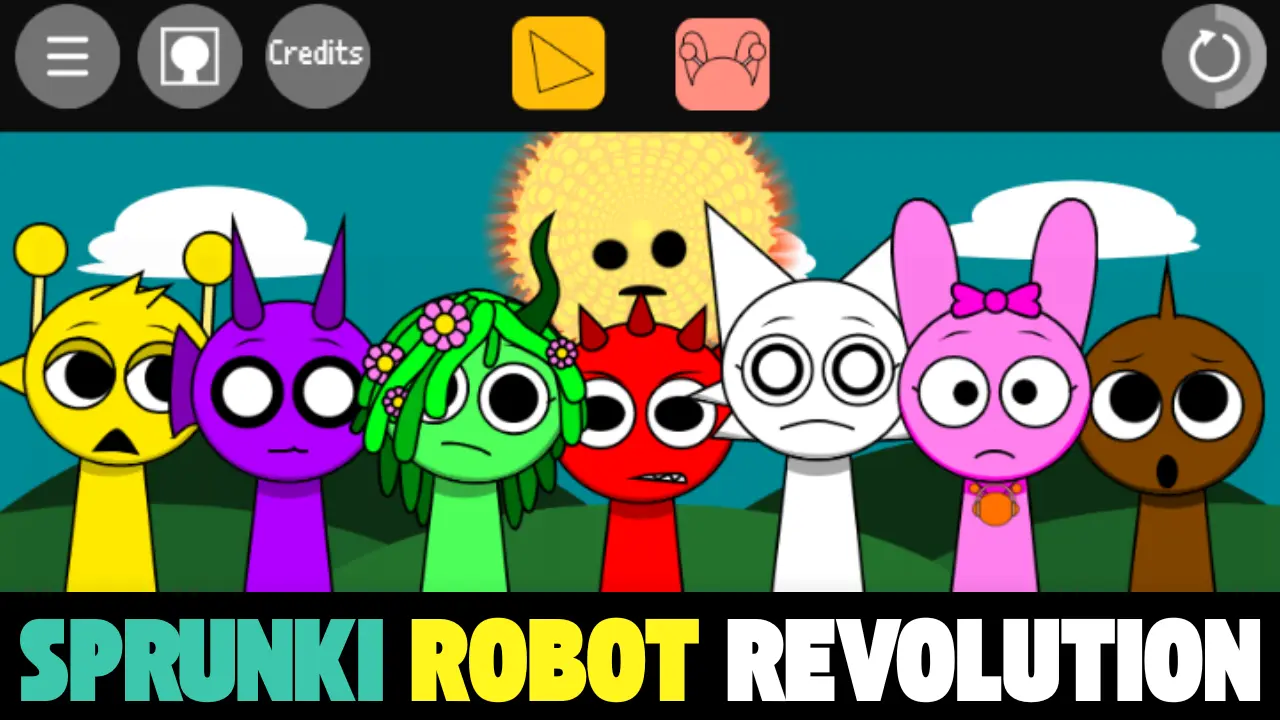
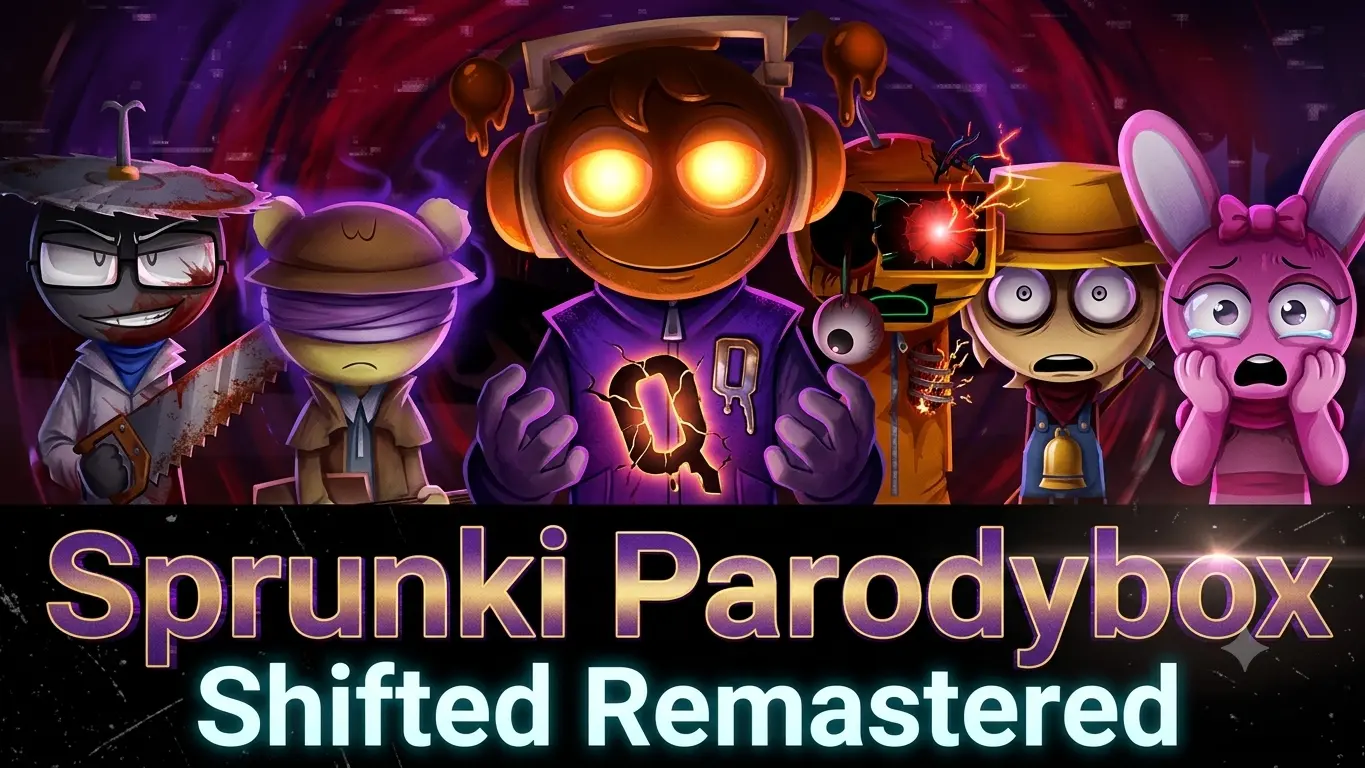
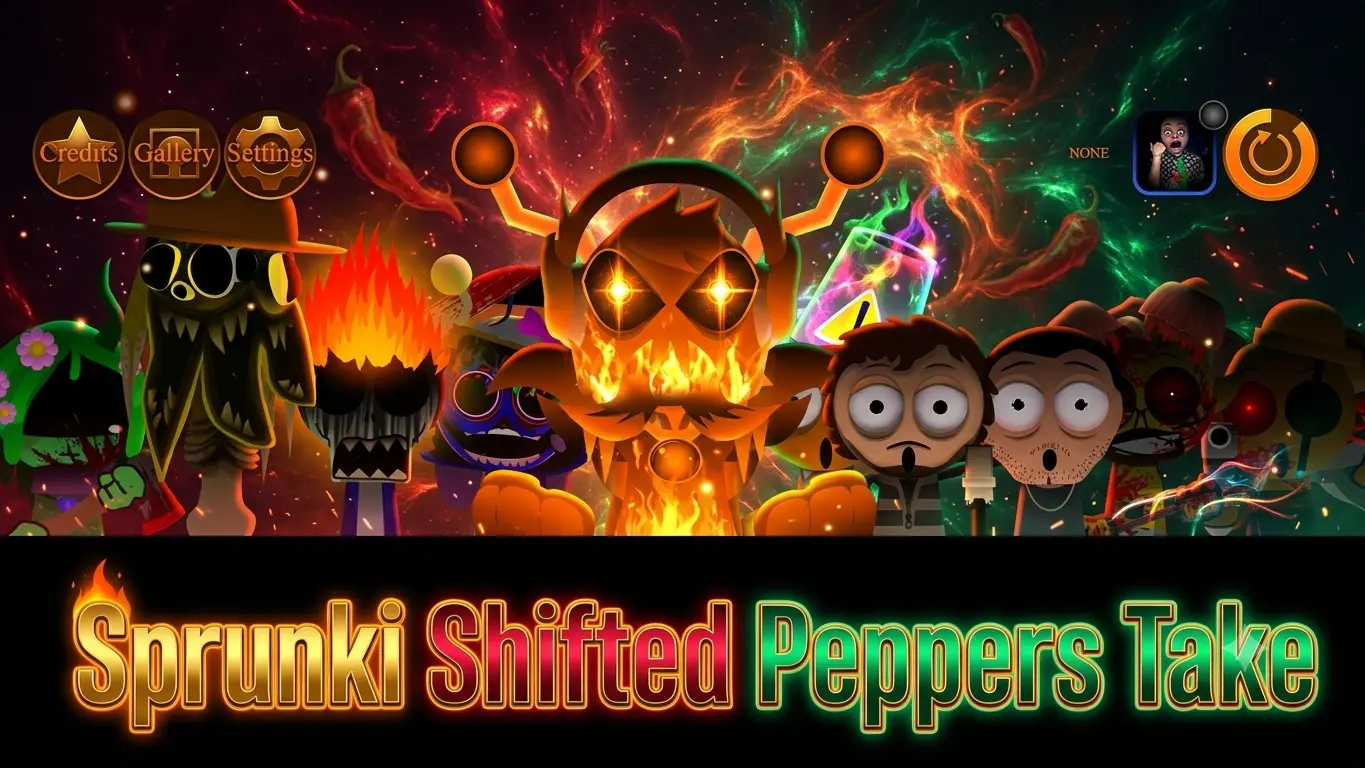
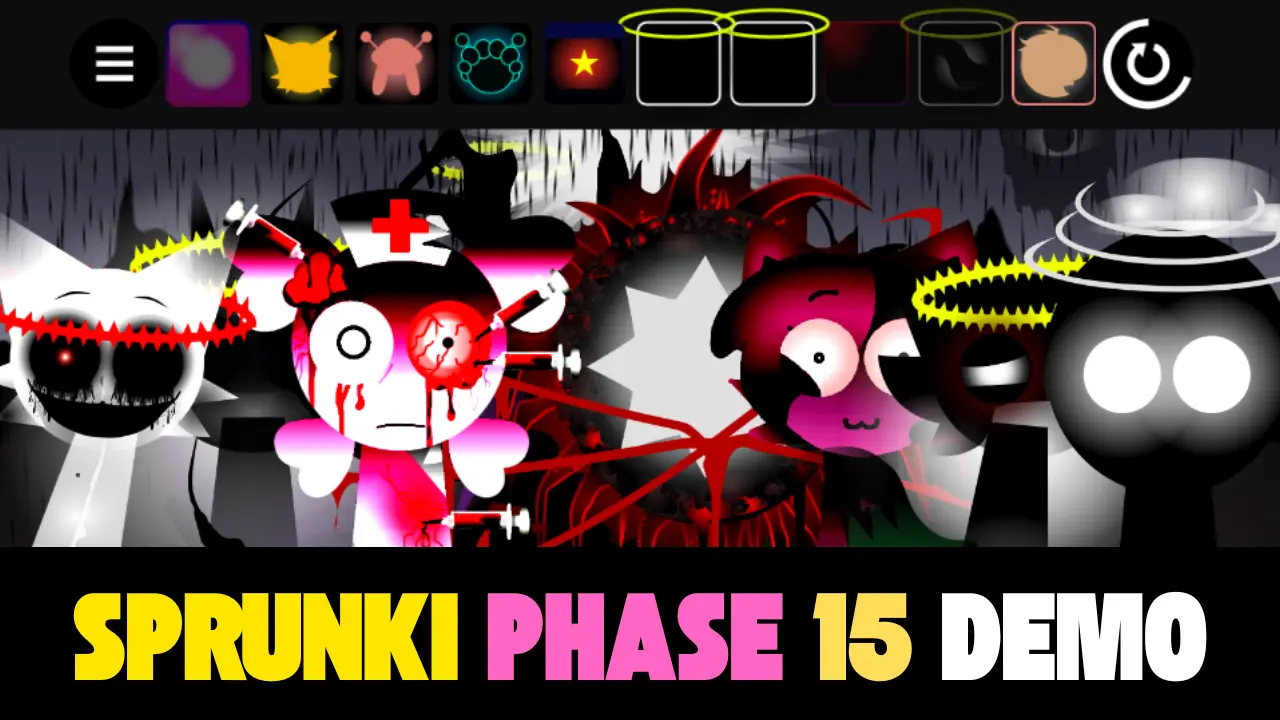
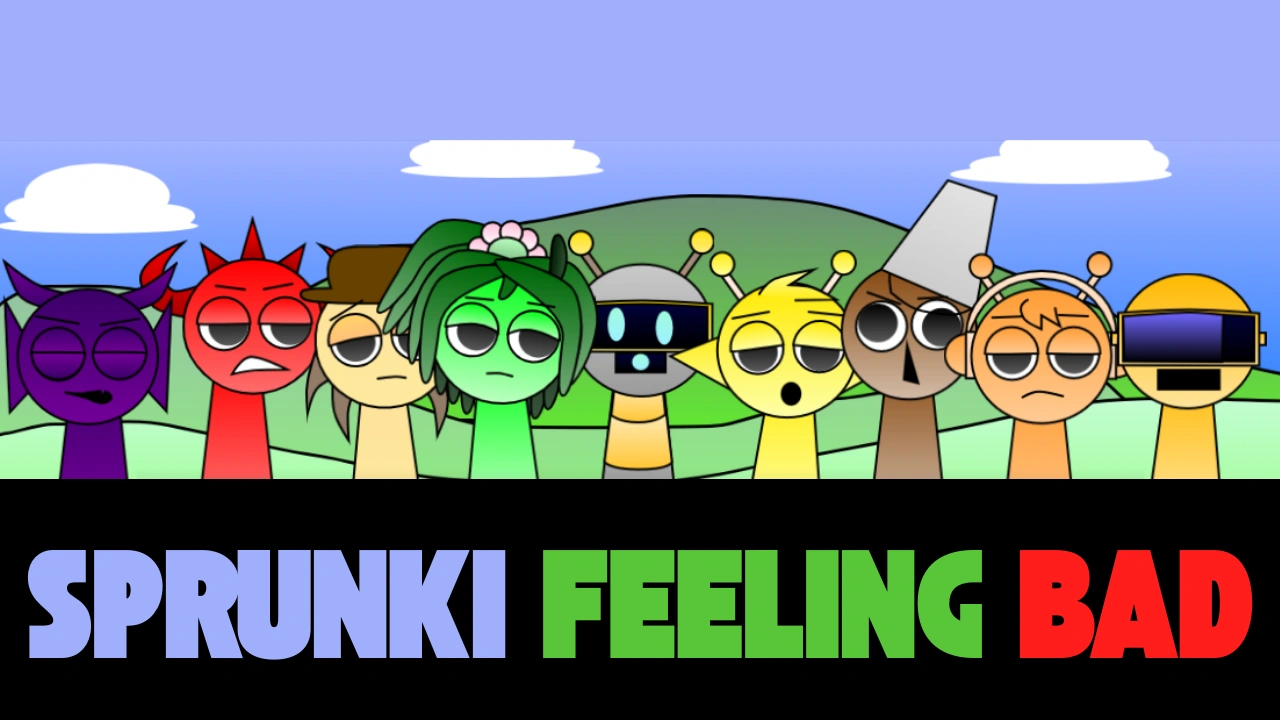
Sprunki Feeling Bad
Sprunki Feeling Bad emerged as a fresh take on interactive audio experiences, crafted by a team of sound designers and developers passionate about using technology to amplify human emotions. At its heart, the game is a canvas for creativity, where players select and sequence a variety of audio samples to build original pieces. Unlike traditional rhythm games that emphasize precision and speed, Sprunki Feeling Bad prioritizes expression. The 'feeling bad' theme isn't about negativity for its own sake; rather, it's an invitation to confront and process those universal pangs of sadness through art.
The game's narrative unfolds non-linearly, with each composition you create influencing the evolving story. Picture this: your first track might be a sparse arrangement of echoing vocals and muted drums, symbolizing isolation. As you progress, unlocking new sound packs allows you to introduce elements like rain-soaked field recordings or distant thunderclaps, deepening the atmospheric melancholy. These aren't just sound effects; they're emotional anchors that help players connect with the game's underlying message—that acknowledging pain can lead to beautiful, if bittersweet, outcomes.
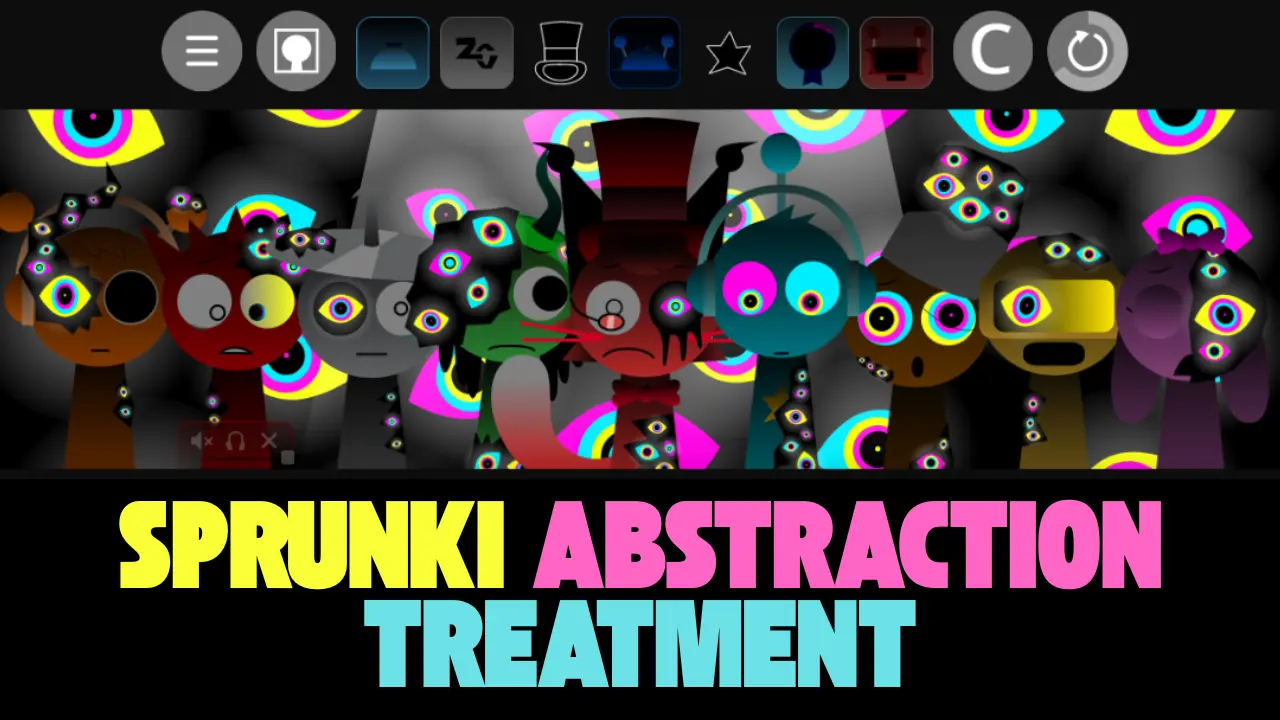
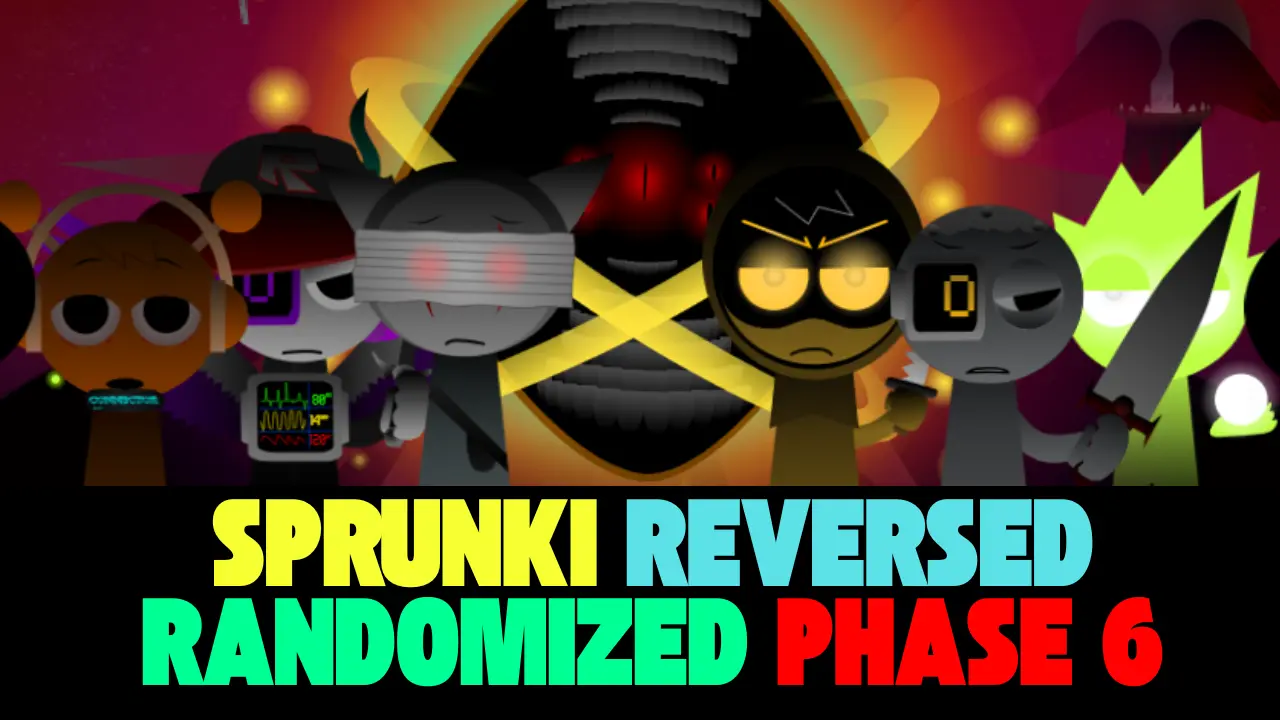
Visually, Sprunki Feeling Bad employs a minimalist aesthetic that enhances its thematic focus. The interface is clean, with a dark background punctuated by soft glows around interactive elements. Characters in the game—abstract figures that represent fragmented emotions—react subtly to your choices, their forms twisting or fading in response to the music's intensity. This visual feedback loop creates a sense of companionship, making solo play feel intimately personal yet universally relatable.
One of the most compelling aspects of Sprunki Feeling Bad is its accessibility. No prior musical knowledge is required; the game gently guides you through its systems with intuitive tutorials that feel more like whispered encouragements than rigid instructions. Yet, for those with a background in composition, hidden depths await—layering techniques, tempo manipulations, and even algorithmic suggestions that adapt to your style. This balance ensures that beginners can feel accomplished from the start, while experts chase ever-elusive perfection.
Community feedback has been overwhelmingly positive, with players praising how the game serves as a therapeutic tool. Many share stories of using Sprunki Feeling Bad to cope with personal challenges, turning sessions into rituals of release. The game's soundtrack library draws from diverse influences—think ambient electronica meets classical lament—ensuring endless replayability. And as updates roll out, new 'feeling' modes introduce variations, like 'Echoes of Regret' or 'Whispers of Loss,' each expanding the emotional palette.
In essence, Sprunki Feeling Bad isn't just about playing music; it's about playing with emotions. It challenges the stigma around sadness in gaming, proving that vulnerability can be a source of strength and creativity. If you're curious to experience this for yourself, head over to sprunkit.com to download and begin your journey.
Delve into the Sprunki Feeling Bad sound library's hidden gem
Playing Sprunki Feeling Bad is an iterative process—your first attempts might feel raw and unpolished, but that's the point. Embrace the imperfections; they mirror life's own jagged edges. With practice, you'll craft tracks that not only sound profound but feel like confessions set to music.
Beyond the basics, true mastery in Sprunki Feeling Bad comes from understanding how to layer emotions for maximum impact. Start with contrast: juxtapose a bright, fleeting harp pluck against a droning cello to create tension-release cycles that tug at the heartstrings. This isn't random; the game's analyzer tool provides feedback on emotional balance, suggesting adjustments to avoid monotony.
Delve into the sound library's hidden gems. Unlockable packs include seasonal themes—like autumn leaves crunching underfoot for a nostalgic ache—or cultural motifs, such as far-eastern gongs for exotic melancholy. Accessing these requires completing vibe challenges, where you recreate predefined emotional scenarios, honing your intuitive sense of mood.
Customization is key. Personalize your studio with mood boards: upload subtle images that influence the color scheme, making sessions feel bespoke. For audio tweakers, the waveform editor lets you sculpt samples granularly—stretch a sigh into an endless wail or chop a cry into staccato bursts.
Multiplayer elements add social depth. Invite friends to co-compose in real-time, where one handles rhythm while another weaves melodies, merging perspectives for richer tapestries of feeling bad. Post-session, debrief with voice notes overlaid on tracks, turning gameplay into shared therapy.
Performance-wise, optimize for immersion: use headphones to catch nuances like micro-tonal shifts that evoke unease. On larger screens, the expanded view reveals spectrograms, helping visualize how frequencies clash for dissonant beauty.
Looking ahead, upcoming expansions promise VR integration, letting you 'walk through' your compositions as 3D soundscapes—imagine navigating a foggy forest where trees whisper your regrets. This evolution keeps Sprunki Feeling Bad at the forefront of empathetic gaming.
Every creator hits walls. If your tracks feel flat, revisit the core loop: strip back to essentials and rebuild. Stuck on inspiration? The prompt generator offers scenarios like 'a farewell at dusk,' sparking ideas. Technical glitches? The debug mode isolates issues, ensuring smooth sails.
For those overwhelmed by choices, themed playlists curate selections—focus on 'nocturnal blues' to narrow scope. Remember, progress isn't linear; some days yield symphonies, others mere sketches, and both are valid.